Borough Trash, Recycling, and Yard Waste Schedules Compared
Every week the same question travels down the block: which bin goes out tonight, and does the truck come tomorrow or the day after? The answer depends on where you live. Collection in the borough runs on separate routes for separate zones, and the rules that trip people up most — bin spacing, holiday shifts, leaf season, bulk items — change from one route to the next. Here is how the zones compare, and what to check before you drag anything to the curb.
How the Service Zones Are Split
The borough divides collection into a handful of routes, usually defined by geography rather than by ward or school district lines. That means two houses on the same street can fall on different days if a route boundary runs between them — rare, but it happens near railroad tracks, major roads, and the edges of the older grid.
The practical consequence: don't take a neighbor's schedule as proof of yours. The route map that comes with the annual calendar, or the address lookup on the borough's sanitation page, is the version that counts. Write your route letter or zone name on the inside of a cabinet door. It is the single most useful piece of information for every question that follows.
Collection Days Across the Zones
Most borough routes run a twice-weekly pattern for household trash and a once-weekly pickup for recycling, with yard waste handled on a separate day or folded into one of the two trash days. The typical shapes look like this:
- Central and downtown routes often get Monday and Thursday trash, Wednesday recycling. Dense blocks with alley access may be collected from the rear rather than the street.
- North-side residential routes commonly run Tuesday and Friday trash, with recycling earlier in the week — usually Tuesday or Wednesday.
- South and river-adjacent routes tend to sit on Monday and Thursday or Tuesday and Friday, with recycling late in the week.
- Outlying and hillside routes are the ones most likely to shift. Narrow streets, steep grades, and long driveways can push a truck onto a different day or require bins at the driveway apron instead of the curb.
Two things are consistent almost everywhere: bins go out the night before, and they come back in the same day they were emptied. Leaving an empty bin at the curb for three days is the fastest way to collect a warning sticker.
Bin Rules: What Goes Where, and What Gets Left Behind
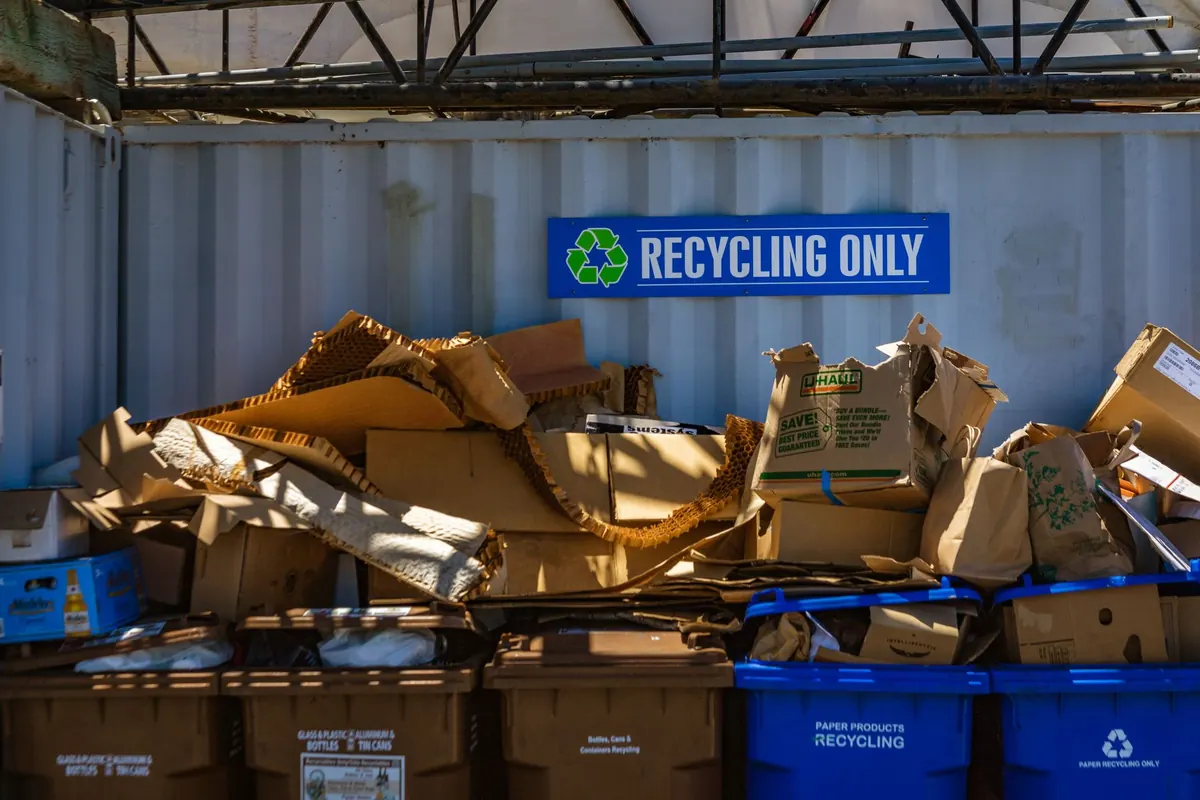
Recycling is the area where boroughs get strict, because a single contaminated load can send a whole truck to the landfill. The rules are fairly uniform across zones: clean paper and cardboard, glass bottles and jars, metal cans, and rigid plastics accepted by the program. What varies is how picky the route is about mixed materials and whether glass is still collected curbside at all — some zones have moved glass to drop-off sites only.
Trash belongs in the borough-issued or borough-approved container, bagged, with the lid closed. Loose trash in a can without a bag leads to litter on the street and, in many zones, a tag explaining why it was left. If your route has a weight or volume limit per household, it usually applies per container, not per week, so extra bags need a sticker.
Spacing matters more than people expect. Bins should sit a few feet apart from each other and clear of parked cars, mailboxes, and fire hydrants, with the handles facing the house so the truck's arm can reach. On streets with alley collection, put everything at the alley line, not the front curb.
Holiday Delays, and the Week After
On a holiday week, collection typically shifts forward by one day for the rest of that week. If your normal day is Tuesday, you get picked up Wednesday; Thursday moves to Friday; Friday moves to Saturday. Monday routes are the ones that get skipped entirely when the holiday falls on a Monday, which is why the week after a holiday often feels a day off.
The exceptions are worth knowing. Some zones hold a normal schedule on minor holidays and only observe the major ones. Others suspend yard waste and bulk pickup for the whole holiday week while keeping trash and recycling on the shifted schedule. When in doubt, the borough's calendar and alert sign-ups are more reliable than the neighborhood group chat.
Leaf Pickup: The Season That Catches People Out
Leaf collection runs on its own timetable, and it is the one service where the rules genuinely differ from zone to zone. Two patterns dominate. In vacuum routes, you rake leaves to the curb or into the gutter by a posted date and a crew with a vacuum truck comes through the block once. In bag routes, leaves must go into paper yard-waste bags or a labeled container — never plastic bags, which clog the equipment.
A few habits keep leaf season painless:
- Read the posted date for your block and put leaves out no more than a few days early; piles sitting for weeks kill grass and wash into storm drains.
- Keep leaves out of the street where stormwater drains are, even on vacuum routes.
- Never mix leaves with trash, branches, or plastic — mixed piles get skipped.
- Cut branches to the length your zone allows, and bundle them. Most routes take brush separately from loose leaves.
- If you miss the vacuum date, bag the leaves for the next yard-waste day rather than leaving them at the curb indefinitely.
Bulk Items and Special Pickups
Furniture, mattresses, and large appliances almost never go out with regular trash. Most zones require a scheduled bulk pickup, often with a limit of a few items per household per year and sometimes a fee. Mattresses generally need to be wrapped or bagged. Appliances that contain refrigerant usually require special handling, and some items — tires, paint, batteries, electronics — are banned from the waste stream entirely and must go to a drop-off event or household hazardous waste day.
Call or submit the request a week or two ahead, and put the item out only the night before the scheduled date. Items left at the curb for days invite scavenging, rain damage, and sometimes a violation notice.
A Short Checklist Before You Wheel Anything Out
Confirm your route letter, check whether this is a holiday week, make sure recycling is actually clean and dry, and check that your bins are spaced apart and reachable. If you are unsure about a material, put it in the trash rather than risk contaminating a recycling load. The borough's sanitation office can answer specific questions about your address, and for anything involving a fee, a violation notice, or a dispute over a missed pickup, it is worth asking them directly rather than relying on secondhand advice.
One last tip: set a phone reminder for your two trash days and your recycling day, and update it whenever the calendar changes. That single reminder prevents more missed pickups than any other habit.
Photo: Robert So / Pexels