Understanding Public Records: How to File a Right-to-Know Request in Your Borough
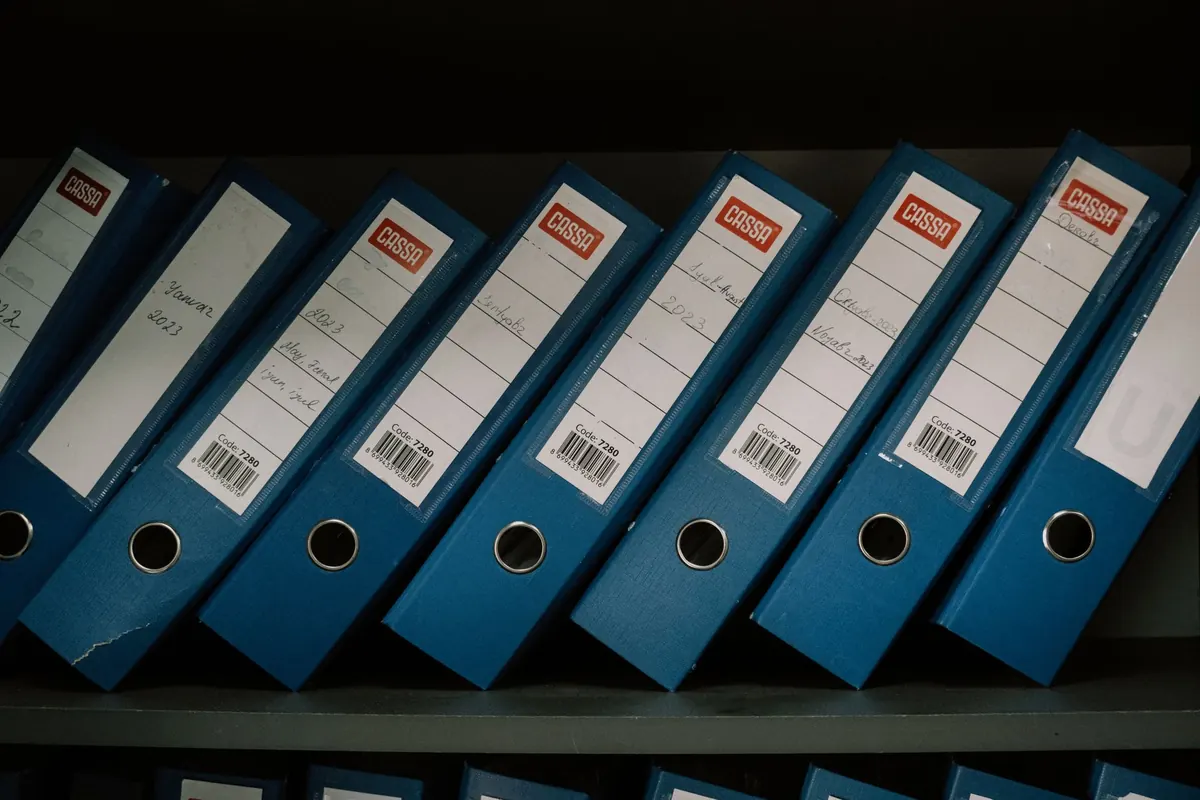
A resident stands up at a council meeting and asks a straightforward question: what does the new snow-removal contract actually say? The answer isn't in the minutes. It's in a file somewhere in borough hall, and the person asking has every right to read it.
Public records law is one of the few tools that lets an ordinary resident see past the meeting agenda. Depending on where you live, it's called a Right-to-Know request, a public records request, or an open records request. The names differ; the mechanics are similar, and none of it is complicated once you know the sequence.
What Counts as a Public Record
Start with the presumption most states build into their laws: a record held by a public agency is public unless a specific exemption says otherwise. That covers far more than neatly bound minutes.
Records that are usually public include:
- Budgets, audits, invoices and check registers
- Ordinances, resolutions and meeting minutes
- Contracts and bids, including the losing proposals
- Salaries, job titles and hire dates for public employees
- Emails and text messages about borough business, even when sent from a personal device
- Permits, inspections, code enforcement notices and related correspondence
- Police incident and crash reports, subject to state-specific rules
The format matters less than you'd think
A record is a record whether it lives in a filing cabinet, an email inbox or a spreadsheet on someone's desktop. Ask for a digital copy. In many states the borough must hand it over in the format it already keeps it, so you don't have to accept a stack of paper when a PDF exists.
Contractors can hold public records too
If a private company performs borough work — trash hauling, engineering, snow removal — the records it creates for that work are often treated as public records. Name the contractor in your request. Otherwise you may get a response saying the borough doesn't have the document, which is technically true and completely unhelpful.
What You Usually Can't Get
Exemptions exist for real reasons, and they aren't all a dodge. Common ones include:
- Personnel and medical files, and much information about private individuals
- Records tied to an active criminal investigation or pending litigation
- Attorney-client communications and legal strategy
- Internal drafts and deliberative notes prepared before a decision is final
- Security plans, building schematics and some emergency-response details
- Social Security numbers, home addresses and other personal identifiers
Notice the last item: personal identifiers are usually redacted, not withheld wholesale. The same logic applies to a page that mixes public and exempt material. The borough should give you a redacted copy rather than nothing at all.
"That's confidential" is not an answer. Ask which exemption applies and where it appears in the statute. A clerk who can point to a section of the law is doing the job properly. One who can't may be guessing.
How to File a Request, Step by Step
Every borough has a designated open records officer, often the borough secretary, manager or solicitor. Find the name on the borough website, or call the office and ask who handles records requests.
- Put it in writing. Email counts in most states and creates a timestamp. Keep your copy.
- Be specific. "All emails between the borough manager and the developer between March 1 and April 15 about the zoning variance at 400 Main Street" beats "everything about the zoning variance."
- One topic per request. Bundled requests tend to get bundled delays.
- Give a date range. It helps the officer search and keeps the volume manageable.
- State the format you want — PDF, spreadsheet, or an appointment to inspect the file in person.
- Skip the explanation. You usually don't have to say why you want something. Justifying yourself rarely speeds things up and sometimes invites an argument you didn't need.
- Note the deadline. Five business days is a common response window, with a possible extension of up to 30 days for complicated requests.
If the deadline passes without a word, follow up in writing and mention the date you filed. Silence is not the same as a denial, and a polite reminder often unsticks a request that simply got buried.
What It Should Cost
Most states cap what an agency may charge. Expect copying costs per page, postage, and sometimes a fee for certifying a document or converting it into a special format. What you generally should not pay for is the time spent searching, reviewing, or deciding whether to release the record.
For a large request, ask for a written estimate before work begins. If the number looks inflated, ask how it was calculated. Then narrow the request — a shorter date range or one fewer sender can cut the bill dramatically. Reducing the scope is almost always faster than fighting the fee.
If Your Request Is Denied
A denial should come in writing, cite the exemption, and explain how to appeal. Read it closely. Sometimes the officer is asking for clarification rather than refusing, and a two-line reply settles it.
If it's a genuine denial, you usually have a short window to appeal — often 15 days — to a state open records office, the district attorney, or a court, depending on your state. Appeals are typically free or inexpensive, and you don't need a lawyer to file one.
When you appeal, include:
- The original request and the date you sent it
- The borough's written response
- A brief statement of why you believe the denial is wrong
Calling the open records officer first resolves a surprising number of disputes. A five-minute conversation often turns "denied" into "here's what you actually meant."
Habits That Make This Easier
Keep a folder, digital or paper, with every request, response and receipt. Note the dates. Follow up in writing when a deadline slips. That record is your evidence if the dispute escalates.
File requests regularly, not only when you're angry. A request for this year's police overtime or the borough's vehicle maintenance log is routine. Clerks handle familiar, narrow asks far better than a sweeping demand filed the morning after a contentious vote.
Share what you get. Bring the contract to the next meeting, hand a copy to a neighbor, or write a letter to the editor with the numbers. Records only matter when someone reads them.
And know your limits. If a denial affects something significant — a lawsuit, a property dispute, a claim against the borough — consult a lawyer who knows your state's records law. The rules vary enough from state to state that general guidance only carries you so far, and a local attorney or your state's open records office can tell you exactly where you stand.
Photo: Zulfugar Karimov / Pexels