How to Speak at a Borough Council Meeting: A First-Timer's Guide
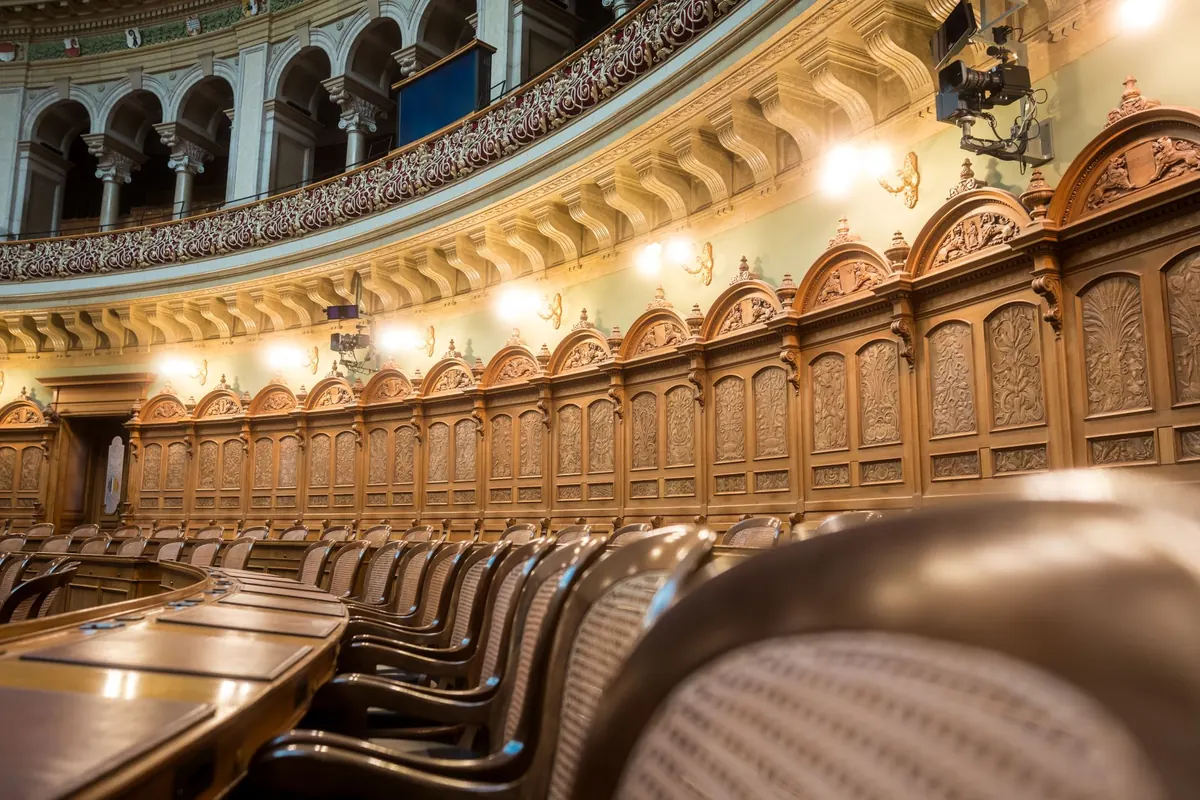
The first time you walk to the podium at a borough council meeting, the room feels different than it did from the back row. The microphones are live, the clock is running, and several people are looking at you. Here is the part nobody mentions: they are expecting you. Public comment is a standing item on nearly every agenda, and the mechanics of it are simpler than they look. What follows is the whole process, from finding the paperwork to following up a week later.
Find the Agenda Before You Find the Room
Borough meetings are not surprise parties. The agenda is posted in advance — often at least 24 hours ahead under your state's open-meetings rules, sometimes several days earlier — on the borough website, at the municipal building, or both. Look for a link labeled "Agendas and Minutes," "Council Documents," or "Public Meetings."
Read the packet, not just the one-page agenda. Agendas are a list of items; packets include the ordinance text, the engineer's memo, the correspondence. That is where you find out whether the thing you care about is a resolution (often routine), an ordinance (a proposed law, usually with a hearing and a vote), or a discussion item with no action attached.
The agenda also tells you what cannot happen that night. If your issue is not listed, council generally cannot vote on it — you can still speak during general public comment, and you can ask that it be placed on a future agenda.
Two Different Kinds of Speaking
General public comment
Usually near the beginning of the meeting, sometimes at the end. Open topic, brief remarks, often a strict per-person limit.
Public hearing
Tied to a specific ordinance, application, or budget item. The clerk or borough solicitor may explain the rules first, then open the floor. If you have a stake in that item, this is the moment that matters most.
Signing Up, and Three Questions Worth Asking
Practices vary more than you would think. Some boroughs pass a sign-in sheet along the rows before the meeting starts. Some ask you to email the clerk in advance. Some require nothing at all — you simply stand when the mayor invites comment.
So call the clerk's office a day or two ahead. That is what the office is for. Ask:
- Is there a sign-up sheet, and where do I find it?
- How long do I have to speak, and is there a visible timer?
- Which comment period covers my topic — the general one, or a specific hearing?
While you have them on the phone, ask whether written comments can be submitted if you cannot attend. Many boroughs accept them and attach them to the record.
Three Minutes Is Shorter Than It Sounds
Most boroughs allow three to five minutes per speaker. Before you write anything, start a stopwatch and read your draft out loud at a normal conversational pace. A calm speaking rate runs roughly 130 to 150 words a minute, so a three-minute slot is a little over 400 words of prepared text. That is not much room. Budget for nerves too — nearly everyone speeds up.
If you have more than one point, cut to one. If you have one point, make it once. When the president taps the gavel, it is not personal; they are keeping a long meeting moving.
What to Say at the Podium
A reliable shape for three minutes:
- Identify yourself. "My name is Dana Ruiz, I live on Ash Street in the Third Ward." Name and street are enough.
- State your position in one sentence. "I am asking council to table Ordinance 2025-14 until the parking study is finished."
- Give your reason, briefly and concretely. The flooded curb outside your building. The cars idling on your block at 7 a.m. Specific beats loud.
- Make a clear ask. Vote no. Send it back to the public works committee. Have staff report at the next meeting. Give them something to act on.
- Stop. Thank them, step back.
A few habits that help:
- Address the body, not individuals: "Council President, members of council."
- Bring a printed copy for the clerk and say you would like it attached to the record.
- Do not repeat a point made by the four speakers before you. "I agree with the earlier speaker about the crosswalk, and I would add this" is stronger than starting over.
- Skip anything you would not say in front of your neighbor, because you are.
Three minutes of specifics lands harder than ten minutes of complaint.
If It Gets Uncomfortable
Rules differ by state and borough, but many councils are limited in how they may respond to public comment. Some cannot discuss or act on items not on the agenda. Some do not answer questions from the floor at all. That can feel dismissive. It usually is not.
Instead of pressing for an answer on the spot, ask a procedural question: "Can this be referred to the appropriate committee?" or "Can staff look into this and report back?" Those requests are easy to grant and hard to ignore. If your item draws a crowd, expect the president to shorten time limits or alternate speakers between sides.
After the Meeting
Follow-up is where most residents stop, and it is where a comment turns into something.
- Read the minutes when they are posted, and confirm your comment was recorded.
- Email the members who represent you. One message, with a subject line naming the meeting date and the item number. Two or three sentences: who you are, what you said, what you are asking for.
- Copy the borough clerk so the message lands in the record.
- Note who voted which way, and thank the members who supported you — even if the vote went the other way.
- Put the next meeting on your calendar. Showing up once makes you a resident with an opinion; showing up three months running makes you someone the council recognizes.
A Quick Checklist for Meeting Night
- Agenda read, item number noted
- Clerk called, sign-up and time limit confirmed
- Remarks written, timed out loud, trimmed to fit
- One clear ask, stated plainly
- Printed copy for the clerk
- Name, street, and ward ready
- Follow-up email drafted before you leave the house
Show up prepared, say your piece in the time you are given, and follow through afterward. That is the entire skill. Most of it happens before you ever touch the microphone.