Who Fixes Which Pothole? Borough vs. County Road Maintenance Compared
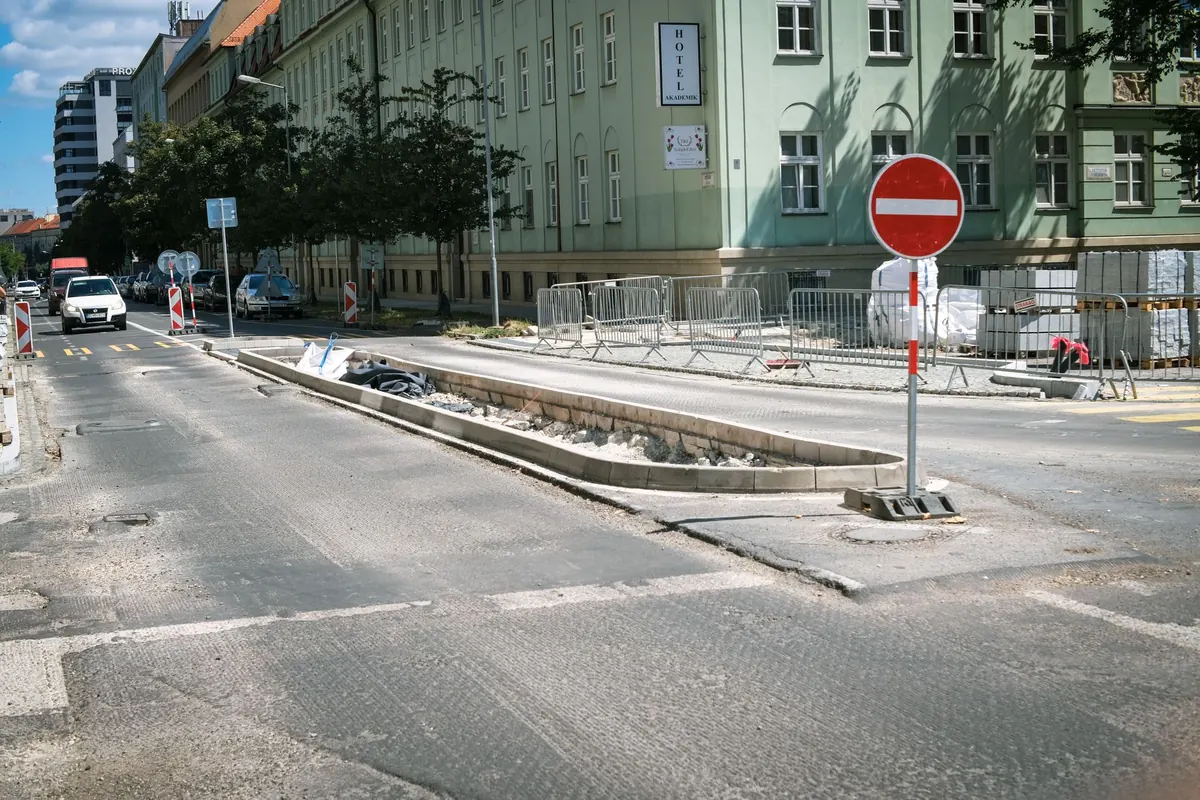
Two potholes, forty feet apart, can belong to two different governments. That's the part most people never learn until they've called the wrong office three times and given up. The street outside your door might be a borough street, a county road, or a state route — and the crew that shows up depends entirely on which one it is.
The good news: you can usually figure out ownership in about two minutes, and you can usually confirm it in five. Here's the whole process.
Three governments, one street
Most streets in a borough fall into one of three buckets. Local streets — the residential grid, the side streets, usually the main commercial block — are almost always maintained by the borough itself, through a public works or streets department. County roads are the connectors: the roads that run between towns and often carry a county route number. State roads are the numbered highways, everything from a busy two-lane state route to the interstate.
Terminology shifts depending on where you live. Some states have boroughs, townships, villages, and cities doing the local work. In others, county road departments cover enormous amounts of ground and handle most of what a borough would handle elsewhere. So don't assume the pattern from a neighboring state applies to yours.
There's also a fourth category that gets overlooked: private roads. Unaccepted lanes, HOA-maintained streets, apartment complex driveways, and some alleys are nobody's public responsibility. If a road isn't on the borough's list, the borough can't fix it — and won't.
How to read the road before you call
You can pick up useful hints just by looking, as long as you treat them as hints rather than proof.
- Route markers. A shield or marker with a state or U.S. route number on it is a strong signal of state ownership, since state DOTs maintain most numbered routes. County route markers vary by state, but they usually read "CR" or "County Route" followed by a number.
- Street name signs. The green blade on the corner tells you the street's name. It tells you nothing about who fixes it. Don't read anything into it.
- Route designations can mislead. Occasionally a numbered route runs along a street the borough actually maintains, under an agreement between the two governments. The shield is a hint. It isn't a title deed.
- Maintenance patterns. If the road was resurfaced with a smooth, uniform layer while the cross street got a strip of cold patch, that's a clue two agencies are working side by side.
- Plow routes and paint marks. Utility crews paint lines wherever they dig, regardless of ownership, so colored paint means nothing about who repairs the road. Skip that clue entirely.
Three ways to confirm ownership
Hints are fine, but if you want an answer that holds up, use one of these:
- Call the borough office and ask directly. Ask a specific question: "Who maintains Maple Street between Third and Fourth?" If it's theirs, you've found your department. If it isn't, they usually know who owns it and will say so. One phone call, roughly a minute.
- Check the county's GIS or road map. Many counties publish an interactive map with a road ownership layer that color-codes borough, county, and state streets. Look for a "road ownership" or "road maintenance" layer, not just parcels.
- Use your state DOT's mapping tools. Most state transportation departments publish statewide ownership or road classification maps, plus a district office list by county. The district office covering your area is the right contact for a state road.
Your local emergency management or 911 addressing office often has a current road list too. It's a dull-sounding source and it's usually accurate.
Who to call, and what to say
Borough streets go to the public works or streets department. Many boroughs take reports through an online form, a 311 app, or a service like SeeClickFix; some still just want a phone call. County roads go to the county public works department or county engineer's office, which frequently has an online maintenance request form. State roads go to the DOT district office or the DOT's online pothole reporting page — searching "[your state] DOT report a pothole" will get you there.
Whatever the destination, a report that gets acted on quickly includes:
- The exact location: street name, nearest cross street or house number, direction of travel, and which lane
- Size and depth in plain terms, plus anything hazardous nearby, like a storm drain or a traffic signal loop
- Whether it sits in a crosswalk, bike lane, or turn lane, where it's harder to avoid
- The date you're reporting it
- A photo, with a recognizable landmark in the frame
Then ask for a ticket or work-order number. That single number turns a forgotten phone call into something someone can look up.
When no one claims it
Sometimes the answer is genuinely "not ours," and sometimes the answer is silence. If two offices each point at the other, ask the borough to confirm ownership in writing — an email works fine. If the road turns out to be private, the fix is a conversation with the property owner or the HOA board, not the borough.
Sidewalks and curbs are a separate question from the roadway, and in many boroughs the adjacent property owner is responsible for them. Check your local ordinance or ask the borough office before assuming the street crew will handle a lifted slab. And for a hole deep enough to damage a car or throw a cyclist, call the borough's non-emergency police line. They can put a cone on it and reach the right department faster than a web form will.
Why the fix looks different depending on who shows up
Borough crews often patch with a truck and a load of cold mix, and a bad pothole on a local street may get filled within days. Counties usually run larger operations and resurface on a schedule measured in road miles. State DOTs typically contract the work out, patching potholes as a maintenance item while full resurfacing waits its turn in a multi-year plan tied to funding and traffic volume.
That's why a state road pothole sometimes gets a temporary patch and stays that way for a season. It isn't indifference. It's the difference between a maintenance budget and a capital budget.
Do this next time you hit one
Before you call, spend the two minutes: check for a route marker, then confirm ownership with the borough or the county map. Then report to the right office with a photo, a precise location, and a request for a reference number. Follow up once if nothing changes in a couple of weeks.
If it turns out the road isn't public, you've still saved yourself a month of calling the wrong people — which, honestly, is most of the battle.