Winter Parking Rules in the Borough: A Seasonal Checklist for Residents
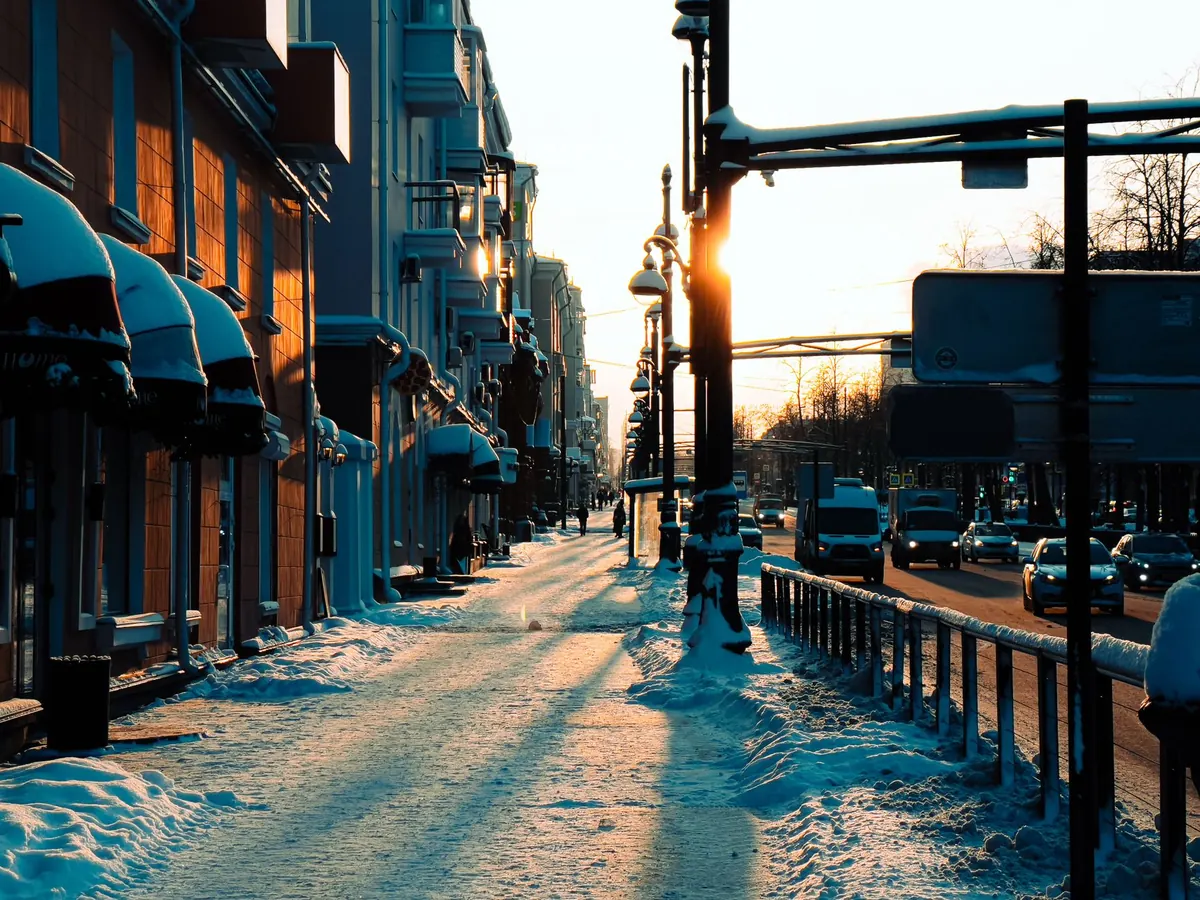
The forecast called for a coating. By six the next morning the plows had been through twice, and three cars on the block were wearing orange stickers. Every winter brings some version of the same scene, and every winter the same questions travel up and down the block: Was that spot legal? Did the sign actually mean me? Who do I call about a tow?
Most winter parking rules are not complicated, but they are easy to forget between November and April, and they change with the weather. Here is what to know before the first storm, and what to do when one is already on the way.
Snow Emergency Routes: What the Signs Really Mean
Snow emergency routes are the streets a borough needs to keep open so plows, salt trucks, ambulances and fire apparatus can move. They are usually marked with red-and-white signs, and the sign itself spells out the restriction. On most of these streets, parking is prohibited once a snow emergency is declared. Not merely during the hour a plow happens to pass.
The declaration is the trigger, and it usually comes from the borough or the county through an alert system, the municipal website, and local radio and social media. Declarations can go up hours before the first flake falls, which is the point: crews want cars gone before the snow starts stacking.
If you live on a snow emergency route, your job is to have a Plan B that does not require thinking. A driveway. A neighbor's lot, with permission. A municipal garage or lot that stays exempt during a declaration. Decide now where that spot is. Deciding at eleven at night in a storm is how people end up with tickets they could have avoided.
A note on which sign wins
When two signs on the same block disagree, the more restrictive one generally governs. A seasonal winter sign overrides the everyday rule, and a temporary posting for snow removal overrides both. Read the whole block, not just the space you want.
Alternate-Side and Odd/Even Parking in Winter
Plows need room to push snow to the curb and then haul it away, and they cannot do that with cars lining both sides. That is why many boroughs switch to alternate-side parking, or an odd/even schedule, for the winter months. Cars park on the even side on even-numbered days and the odd side on odd-numbered days, or move from one posted side to the other on a set schedule.
Some towns instead use a trigger based on accumulation: once snow reaches a certain depth, cars must be moved to the designated side within a set number of hours after the snow stops. The depth and the window vary from place to place, so check the borough's winter parking notice rather than assuming the rule from your old street still applies where you live now.
- Check the effective dates. Seasonal rules often run from late fall into early spring, then revert to the normal schedule.
- Look for the second sign. Alternate-side rules are frequently posted on a separate sign a few feet from the everyday one, and it is easy to walk past.
- Do not split the difference. Parking half on the sidewalk or with two wheels in a driveway apron invites a ticket even when the street is otherwise empty.
Overnight Bans and Permits
Plenty of boroughs restrict overnight parking on all streets during winter, often between the small hours and early morning, so crews can clear curb to curb while everyone sleeps. If you have nowhere off-street to leave a car, ask the borough whether it issues a winter overnight permit, a hardship exemption, or a designated lot for residents. Many do, but the application windows usually close before the season begins.
Where overnight parking is allowed, park tight to the curb and facing the direction of traffic. Fold the mirrors. On a narrow street, a car sitting a foot off the curb can be the difference between a cleared lane and a blocked one, and it makes your car a target for the plow's wing blade.
What a Violation Actually Costs
The ticket is usually the cheapest part. A snow emergency or alternate-side violation can also mean a tow, a daily storage fee while the car sits, and a separate citation for obstructing snow removal. Retrieve a car in the middle of a storm and the total climbs quickly. Check the borough's current fee schedule for exact amounts, and if you believe a ticket was written in error, look up the appeal window immediately. Deadlines are short, and photos of the sign and the street help your case. For anything contested or expensive, talk to a local attorney rather than guessing at the process.
There is also the matter of damage. A plow operator who cannot see your bumper will not stop for it, and in most places the borough is not responsible for damage to a car parked where it should not have been. Parking legally is the cheapest insurance you have.
Sign Up for Alerts Before the First Storm
Snow emergencies move fast, and the people who get caught are usually the ones who found out last. Take twenty minutes this week and work through the following.
- Find your borough or county alert signup, usually through the municipal website, and register both a mobile number and an email address.
- Follow the borough's official accounts, and check that you are following the real ones rather than a lookalike page.
- Save the non-emergency police line, the public works number, and the impound lot's number in your phone contacts.
- Make sure the plate and address on file with the borough match your current car, especially if you have moved or changed vehicles.
- Tell one neighbor who does not use email what the plan is. Snow emergencies are a block-level problem, and a text to the person parked in front of the hydrant is worth a dozen notifications.
After the Storm: Shoveling and Space Savers
Do not throw shoveled snow into the street. It is a violation in most places, it undoes the plow's work, and it can freeze into a hazard for drivers and pedestrians. Clear your sidewalk within whatever window your borough sets after the snow stops, and clear the area around the nearest hydrant if you are able. Crews notice, and fire crews need the access.
As for the folding chair in the space you dug out: many boroughs do not recognize space savers at all and will remove them with the trash. Others tolerate them for a short period after a major storm. Treat the chair as a courtesy to your neighbors, not a property right, and bring it in before the next collection day.
A Short Checklist for the Season
- Know whether your street is a snow emergency route.
- Write down the winter parking schedule and its start and end dates.
- Identify a backup spot you can reach in a storm, and ask permission in advance.
- Register for borough alerts and save the key phone numbers.
- Keep a scraper, brush, small shovel and warm gloves in the car.
- Move the car when a declaration goes up, not when you hear the plow.
- If your car is towed, call the non-emergency line first thing to find out where it went and what it will cost to get it back.
Winter parking rules are not designed to catch anyone out. They exist so a plow can clear a street in one pass instead of three, and so an ambulance can get down your block on the worst night of the year. Learn your street's rule now, set the alerts, and the rest of the season gets a good deal quieter.
Photo: Евгений Шухман / Pexels